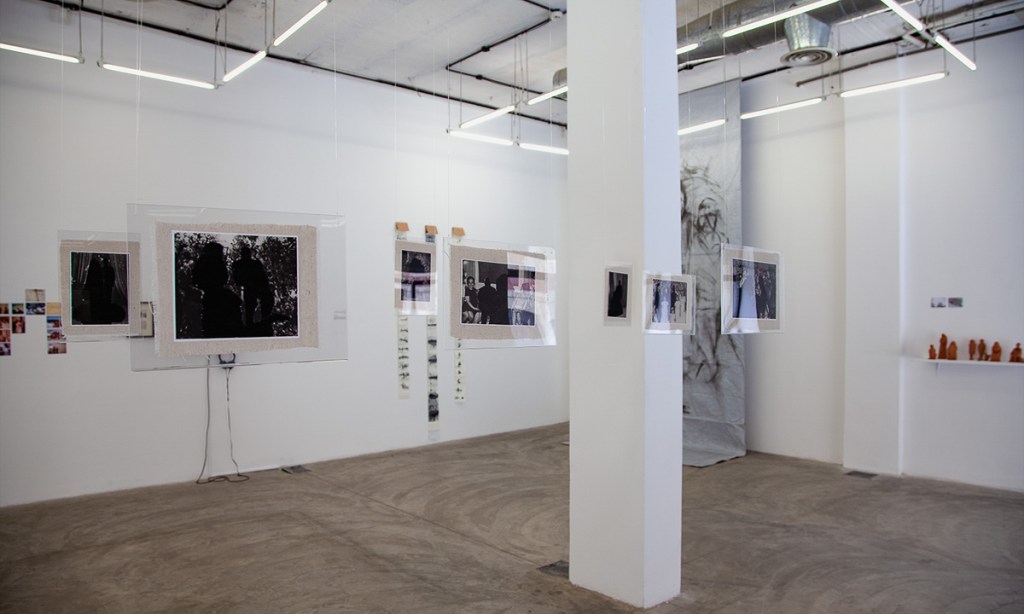
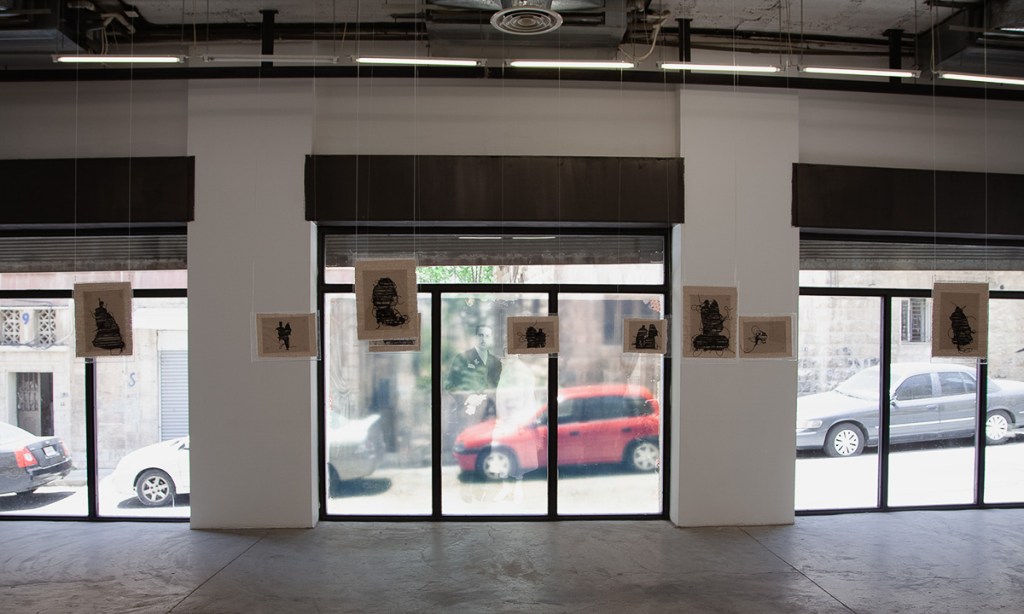
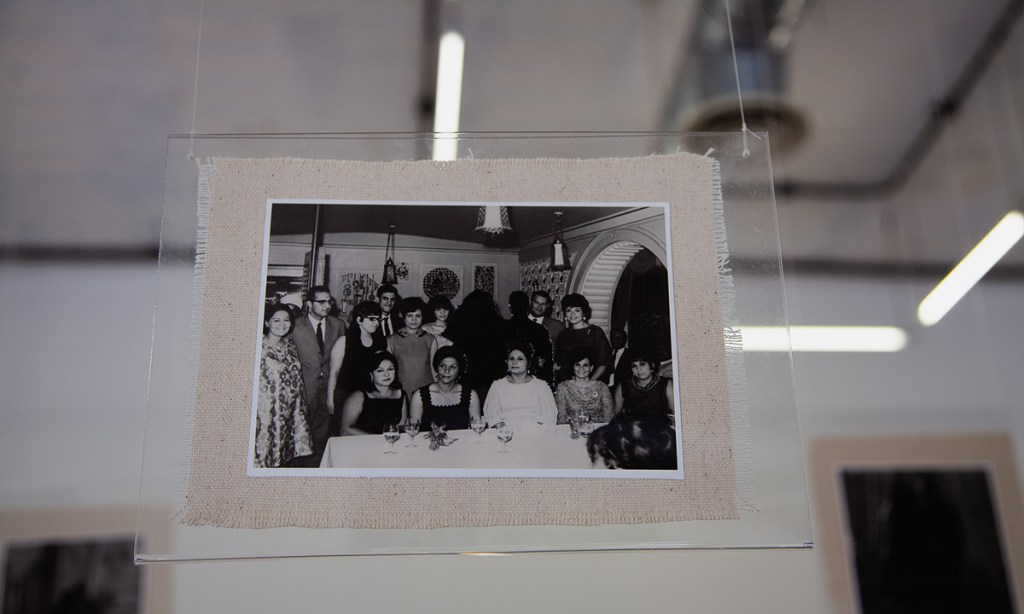

(عملي الفني ضمن معرض جماعي” في تتبع الترحال والرحيل” كجزء من برنامج “مشاريع في المختبر” لعام ٢٠٢٣ في دارة الفنون، الذي يركز على مفهوم الأرشيف)
في إحدى المرات التي زرت فيها عم صبحي، صاحب محل الأنتيكات في شارع أمير الجيوش بالسيدة زينب، وبينما كنتُ أتفقد بعض الألبومات التي يكسوها التراب، وجدتُ الكثير من صور الأفراح القديمة في مصر. لفتتني تفاصيل الصور والضرر الذي لحق بالكثير منها .تتبعتُ تلك الصور التي تعود إلى بدايات القرن العشرين وحتى السبعينيات منه، والتغيرات التي حدثت في كل عصر، للأفراح وتقاليدها في مصر عبر السنوات، في كل صورة لعروس وعريس ولقطاتهم الخالدة التي أُخذ الكثير منها داخل استوديوهات المصورين، ومنها داخل البيت، وخارجه لاحقًا.
أمضيتُ أيامًا طويلة أتمعن في تلك الصور التي جمعتها على مدار سنتين أمامي. حاولت مرارًا تصنيفها حسب الفترة الزمنية، أو في تحليل تكوينات كل صورة، حتى وجدتني عالقة مع أصحابها داخل إطار كبير، أحاول فيه إيجاد علاقتي الشخصية مع أرشيف كبير من صور الأبيض والأسود، لأُناس لا أعرف عنهم أي شيء، سوى ذكرياتهم التي تم التخلّي عنها، ثم تشييؤها وبيعها في أحد محلات الأنتيكات القديمة.
وجدتُ نفسي أتساءل عن مفهوم التاريخ والذاكرة، وحتى عن هذا الفضول الذي حركته هذه الصور وحكاياتها الغامضة في داخلي، وعن قصص هؤلاء الأشخاص العالقين معي منذ مطلع القرن الماضي، وعما يمكنني معرفته عنهم من خلال صور أفراحهم التي وصلت إليّ عن طريق الصدفة. شعرت أن تساؤلي وفضولي نحوهم هو نقطة تقاطعي معهم في هذه اللحظة من رحلتي مع أرشيف الأفراح في مصر.
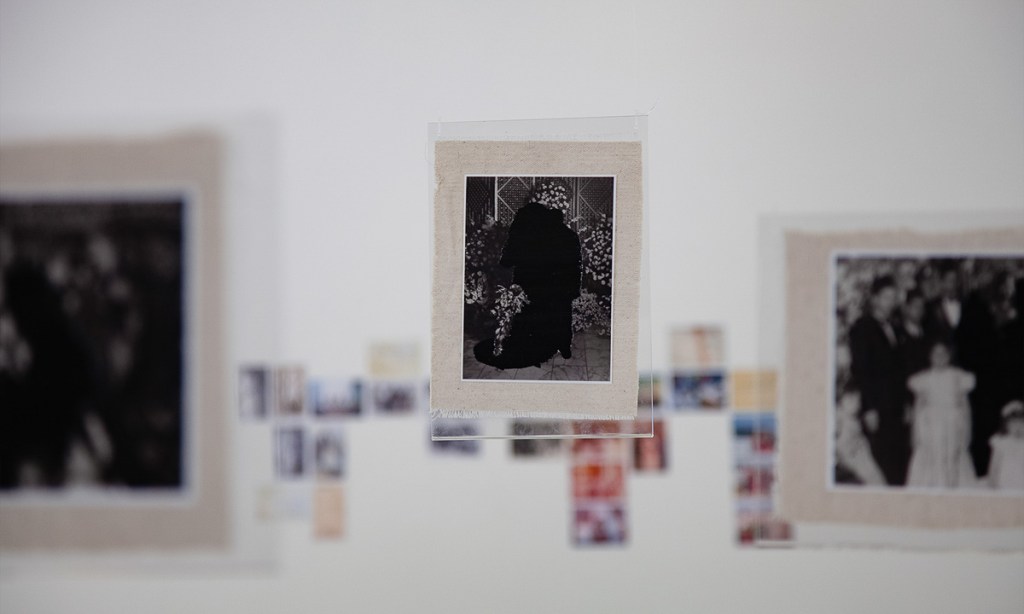
من خلال طمس وجوه العروسين وأجسادهم بالتطريز بالخيوط السوداء، حاولتُ خلق إحساس بالمحو والغياب، فذلك الطمس يفتح مساحة لإعادة تخيّل حكايتهم ومشاعرهم، بل وهوياتهم. وربما هو انعكاس على مرور الوقت وتلاشي الذكريات، كما لو أن هؤلاء الأشخاص الذين وقفوا في تلك الأماكن لأخذ لقطاتهم الخالدة قد اختفوا تمامًا، وأصبحوا منسيين، مع إبقاء الخلفية بتفاصيلها من أجل إبراز السياق الاجتماعي والثقافي لصور الأفراح نفسها. استخدام القماش لوضع طبقة إضافية يعبّر عن كون الذاكرة متعددة الطبقات أيضًا. أما عن طباعة الصورة على الزجاج، فيعبّر عن الطبيعة المؤقتة لهذه الذكريات، وكيف يمكن أن تتلاشى أو تتفتت. فبالرغم من كونها أحداثًا مهمة لا تُنسى، وغالبًا ما يُعتزّ بها ويُحتفى بذكراها سنواتٍ طويلة، فإنها هشة قابلة للكسر بسهولة.
(My artwork is part of a group exhibition titled ‘Travelling Archives/Tracing Narratives’ within the ‘Projects in the Lab’ program for the year 2023 at Darat al-Funun. The exhibition focuses on the concept of the archive.)
During a visit to Uncle Sobhy’s, the owner of an antique shop located on Amir El Geyoush Street in the El-Sayeda Zeinab neighborhood of Cairo, I made an intriguing discovery. As I perused through some dusty albums, I uncovered a treasure trove of vintage photographs that showcased Egyptian weddings throughout the 20th century up until the 1970s.
The images captivated me with their intricate details, despite the wear and tear many of them had sustained over the years. I was struck by the unique insights each image provided into the cultural shifts and changes that had taken place during each era. Each photograph, many of which were taken in the photographers’ studios, inside homes, and – at a later stage – outdoors, featured a bride and groom and their timeless memories, and provided a wide representation of the tradition of Egyptian weddings over the years.
I spent several days sitting in front of this collection of photographs I had gathered over a two-year period. Despite my efforts to group them by time periods or analyze their configurations, I found myself unable to do so. Now, I am struggling to form a personal connection with this large collection of abandoned black and white photographs of people. The memories of these people have been reduced to mere objects sold off to antique shops.
I started to question my understanding of memory and history, as well as my initial excitement over these photographs and their mysterious pasts. My thoughts turned to the individuals captured in the photographs, whose lives had stayed with me since the turn of the century. By examining the photos of their joyous moments that had come into my possession by chance, I wondered what I could infer about their lives. At this point in my journey with the Wedding Archives in Egypt, I found myself both amazed and curious. It was this shared sense of wonderment that served as the point of convergence between us.
Using black thread to meticulously embroider over the faces and bodies of the newlyweds, I aimed to convey a sense of erasure and absence, leaving room for the viewers to imagine and recreate their stories, feelings, and identities. It could be a reflection on the passing of time and the fading of memories. How people who once stood in those places to take their memorable shots could one day completely vanish and become forgotten over time. Nonetheless, I kept the background, in detail, to emphasize the social and cultural context of the wedding photos themselves. The second layer of linen in the photo suggests memory is multi-layered. Moreover, the reproduction of the image on glass effectively highlights how transient memories can be and how easily they can vanish. Significant events are typically cherished for years, but at the same time, they are fragile and can easily be shattered.
 Amany Adel